Tectonic Shifts and Systemic Faultlines: Assessing the 2008-2009 World Economic Crisis
Apr 29, 2009 19:00
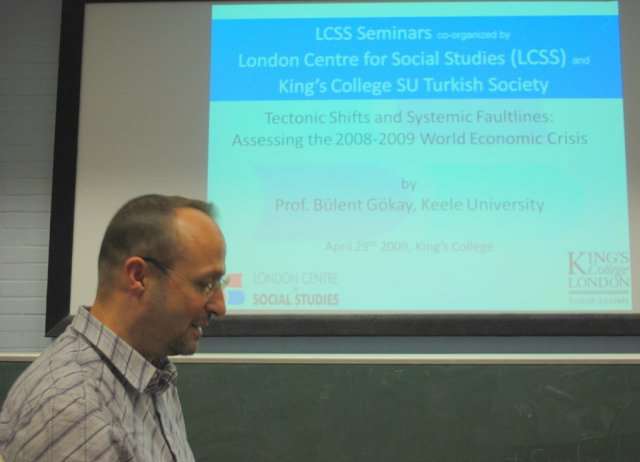
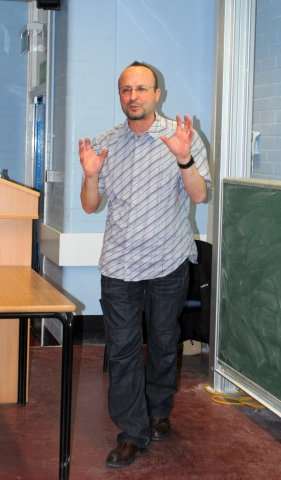
Professor Bulent Gokay
Tectonic Shifts and Systemic Faultlines: Assessing the 2008-2009 World Economic Crisis
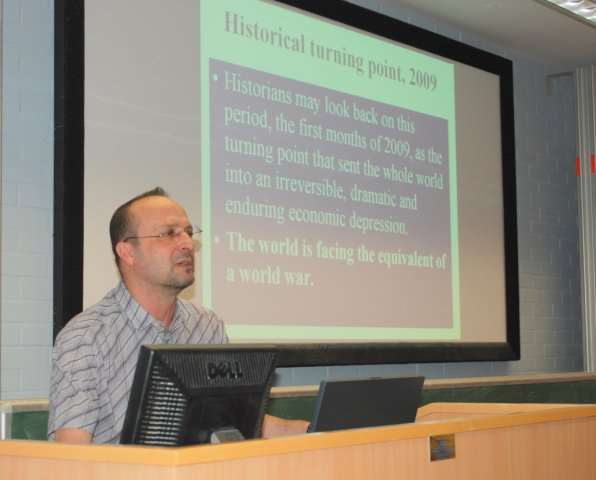
The current financial crisis and economic downturn have not come out of blue. They are the outcome of deep-seated contradictions within the structure of global economic system. Just like the movements of the tectonic plates being originated in Earth’s radioactive, solid iron inner core, the vast shifts in the structures of global system are the outcome of changes that have been taking place beneath the surface of economic life over years, if not decades. It is about an economy which can not grow without resorting to a huge build up of debt and speculative financial asset investment. The global financial crisis, and economic downturn, is systemic in nature, and is conditioned by the contradictions, and vulnerabilities, of the current level of economic organisation, with the world economy unable to develop further in the old manner. The crisis will not be overcome until the vulnerabilities/ and contradictions that caused it are resolved effectively.
Bulent Gokay is a Professor of International Relations in Keele University. Bülent Gökay joined Keele in 1996 from Wolfson College, Cambridge, where he had been a postdoctoral Research Fellow for the previous three years. Before coming to Keele, he taught at the Birkbeck College-London, University of North London, and University of Cambridge. Bulent Gokay’s recent books include The New American Imperialism: Bush’s War on Terror and Blood for Oil; SOVIET EASTERN POLICY AND TURKEY, 1920-1991, and Politics of Oil: A Survey.
Venue
LSE – London School of Economics and Political Science
Address: LSE, New Academic Building, 54 Lincoln’s Inn Fields, London, WC2A 3LJ